




How to Choose the Right Temporary Construction Fence for Your Fort Worth TX Project
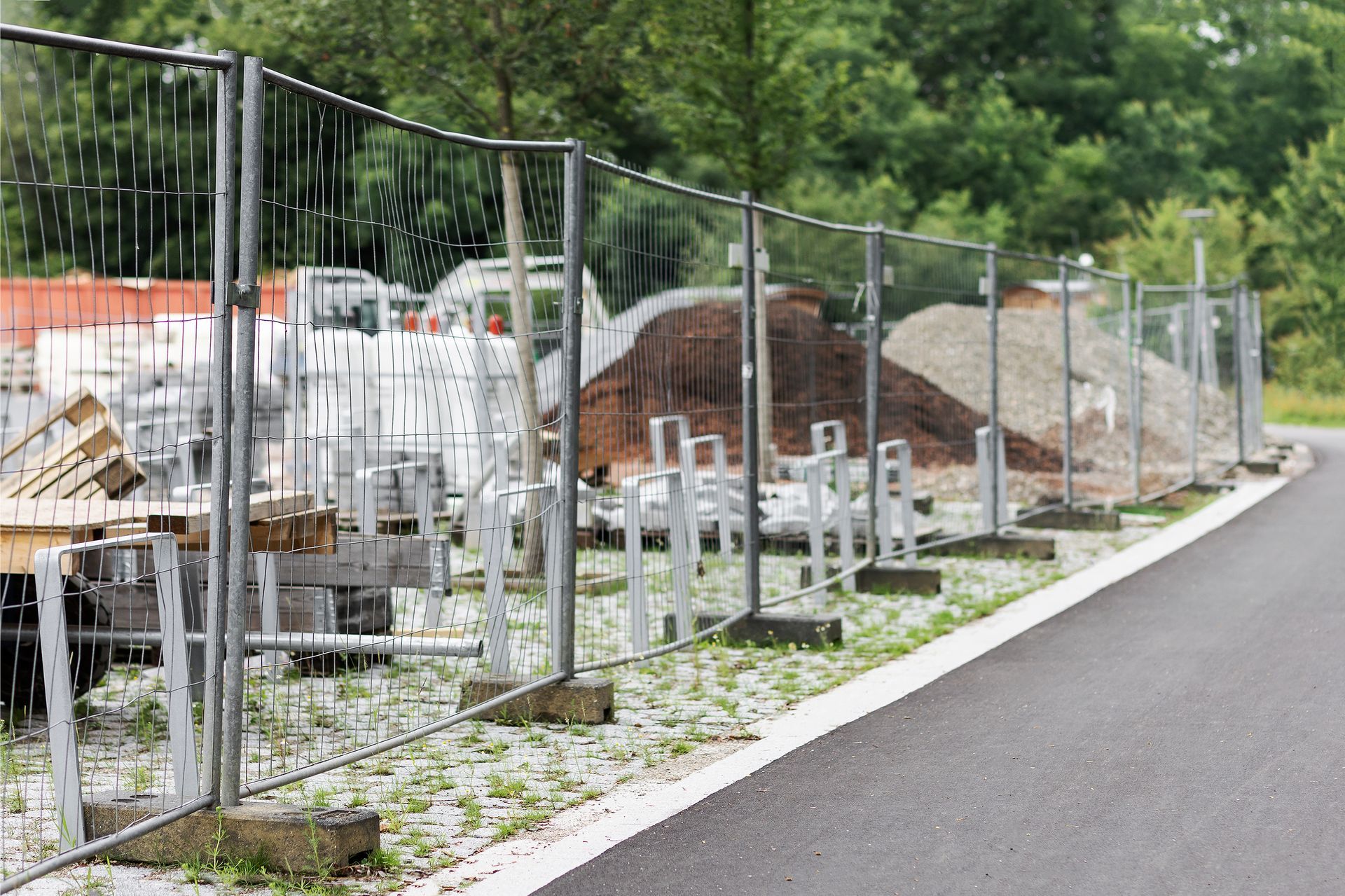
Choosing the right temporary construction fence is one of the most practical decisions a contractor or project manager can make. Not every job site has the same needs, and understanding what separates one option from another helps you make a smarter call before the first panel goes in the ground.
Start With Project Size and Perimeter Requirements
Project size directly determines how many panels you need and what configuration makes sense. A small residential renovation may only require a compact chain-link layout, while a large commercial build along a busy Fort Worth, TX, corridor may need hundreds of feet of fencing with multiple access gates. Before calling a rental provider, walk your site and estimate the perimeter. Note obstacles like utility boxes, curbs, or sloped terrain that may affect panel placement.
Irregular or angled boundaries require more planning and hardware. A provider who assesses your site in person can catch issues a quick phone estimate might miss.
How Does Project Duration Affect Your Fence Choice?
Project duration is one of the most important factors in selecting a temporary construction fence. For longer projects, durability and wind resistance matter more because the fence faces greater weather exposure. Fort Worth, TX, summers bring intense heat and occasional strong storms, so panel stability and base weight should factor into any long-duration rental decision.
For shorter projects, speed of setup and takedown may be the priority. Free-standing chain-link panels go up quickly and require no ground penetration, making them practical for paved surfaces near active commercial zones.
Think About Site Access Points Early
Plan your access points before the fence goes up. A single gate may work for a small crew, but larger sites typically need at least two openings: one for equipment and one for personnel. Know the dimensions of your largest vehicles before finalizing a layout.
Also consider foot traffic near your perimeter. Fort Worth, TX, city code may require specific setbacks or barrier types in certain zones, so confirm local compliance requirements early.
Other Key Factors to Evaluate
▸ Visibility needs: Privacy screens can be added to chain-link panels to block sight lines and reduce debris scatter.
▸ Wind conditions: Windscreen attachments may be necessary for exposed sites or multi-story builds.
▸ Ground type: Soft ground may support driven posts, while concrete or asphalt requires weighted base feet or surface-mounted solutions.
▸ Signage: Many projects benefit from adding safety or no-trespassing signage directly to fence panels.
What About Safety Compliance in Fort Worth?
Temporary construction fencing in Fort Worth, TX, must align with applicable safety standards. OSHA guidelines and local city ordinances can both apply depending on the scope and location of the work. Fencing that controls unauthorized access may also reduce liability exposure for project owners and general contractors. Choosing a fence that meets those standards from the start is far easier than correcting a non-compliant setup mid-project.
A knowledgeable rental provider will understand these requirements and can match fence specifications to your compliance needs.
Get the Right Fit for Your Fort Worth Project
The right temporary construction fence depends on site size, project duration, access requirements, ground conditions, and local safety compliance. Dallas-based A & R Rent-A-Fence has been serving the DFW Metroplex, including Fort Worth, TX, since 1997. Call
(972) 287-1124 for a free consultation, or
contact the team directly to discuss your project details. You can also explore the full range of
temporary fencing services available for construction sites across the region. For more information and reviews, visit
A & R Rent-A-Fence on Google.